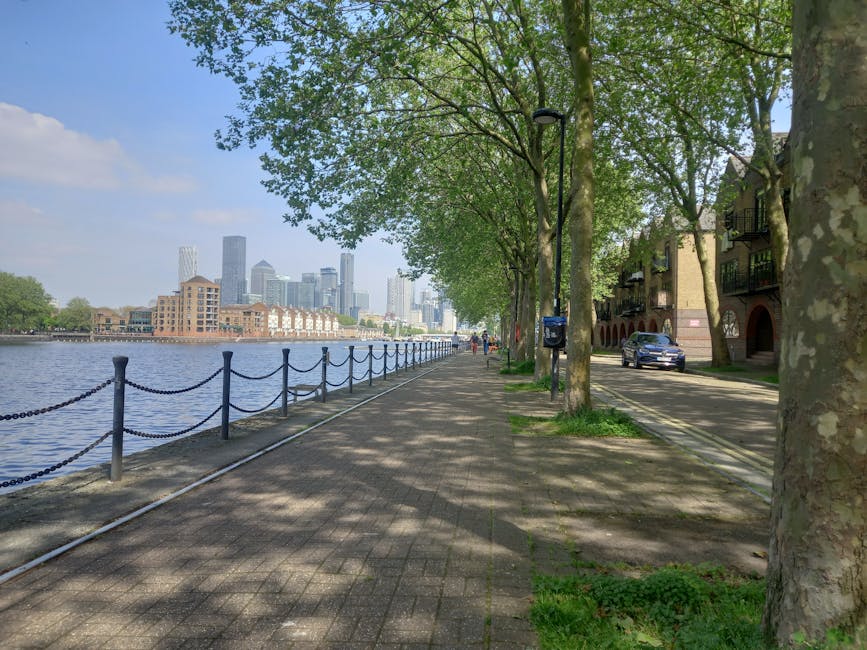
SE1 gardeners specialists for riverside terrace maintenance
Riverside terraces in SE1 look beautiful on a good day. You get the light, the skyline, the movement of the water, and that slightly calmer feeling you only seem to find by the Thames. But the same setting that makes these spaces special also makes them demanding. Wind dries out pots faster, salt and grime build up on surfaces, and planting near water needs a steadier hand than a standard courtyard bed. That is where SE1 gardeners specialists for riverside terrace maintenance make a real difference.
This guide explains what specialist terrace care involves, why it matters in a riverside setting, and how a sensible maintenance plan keeps your outdoor space safe, neat, and genuinely usable. Whether you manage a private terrace, a shared decked area, or a more complex raised garden space, the goal is the same: less stress, better growth, and a place that still looks good after a week of weather doing its worst.
To be fair, a terrace can look easy at first glance. A few planters, some paving, perhaps a bench. Then autumn arrives, leaf litter sneaks into every corner, the drainage slows, and suddenly it is all a bit more hands-on than expected. So let's break it down properly.
Expert summary: Riverside terrace maintenance is not just about "keeping it tidy". It is about managing exposure, drainage, containers, surface care, and planting choices together so the space stays attractive and practical through the seasons.
Why SE1 gardeners specialists for riverside terrace maintenance Matters
Riverside terraces are a different beast from a typical front or back garden. In SE1, many outdoor spaces sit in exposed, built-up environments where wind tunnels, shaded corners, reflective heat from buildings, and occasional heavy rain all shape how plants and surfaces behave. A terrace can dry out twice as quickly as you expect in summer, yet sit waterlogged after a downpour if drainage is poor. Annoying? Absolutely. Normal? Also yes.
Specialist maintenance matters because the work needs to balance appearance, safety, and plant health at the same time. A terrace that is overgrown or untidy may still be usable, but once surfaces become slippery, joints clog with debris, or containers become unstable in gusty weather, the space stops feeling like a calm retreat. It starts feeling like one more job.
Good terrace care also protects the investment in the space itself. Decking, paving, planters, trellis, rails, and bespoke planting schemes all need proper upkeep. If maintenance is inconsistent, small issues such as algae, broken irrigation fittings, dead planting, or blocked drainage can spread into larger, more expensive problems. And nobody wants to discover that after the first proper storm of the season.
If your terrace includes timber elements, you may also want to think about decking care and repairs alongside planting and cleaning, because one always affects the other. A slippery board or loose edge is not something to leave until later.
How SE1 gardeners specialists for riverside terrace maintenance Works
Specialist maintenance is usually built around a regular site-specific routine rather than a one-size-fits-all garden visit. A good gardener will first assess how the terrace actually behaves. Where does water collect? Which pots dry out first? Which areas are shaded in the morning and baked in the afternoon? Which plants are coping, and which are merely surviving by stubbornness alone?
From there, the work tends to include a mix of practical tasks:
- clearing leaf litter, silt, and windblown debris
- checking drainage points and keeping them open
- deadheading, pruning, and light shaping
- watering, feeding, and replacing container plants where needed
- surface sweeping and gentle cleaning
- inspecting planters, fixings, and exposed edges for wear
- adjusting planting choices for sun, shade, wind, and salt exposure
On a riverside terrace, timing matters. Morning visits can help with watering and plant inspection before the heat picks up. In winter, the focus often shifts to tidying, protective pruning, and checking for damage after wind or frost. In summer, the emphasis may move towards hydration, pest monitoring, and keeping everything visually sharp for outdoor entertaining.
Many clients also combine terrace care with broader garden maintenance or targeted support such as lawn mowing and hedge trimming if the terrace is part of a larger property. That kind of joined-up approach keeps the whole outdoor space looking coherent, not pieced together.
Key Benefits and Practical Advantages
Specialist riverside terrace maintenance offers more than neatness. The real value is in how it makes the space easier to live with.
- Better plant survival: Terrace planting is exposed and container-based, so the right care dramatically improves resilience.
- Safer surfaces: Regular cleaning reduces algae, wet buildup, and debris that can make paving or decking slippery.
- Less emergency work: Small problems are spotted earlier, before they become expensive or disruptive.
- More usable space: If the terrace is always ready, you actually use it. Simple, but true.
- Better visual consistency: Regular pruning, deadheading, and replanting keep the area looking intentional rather than patchy.
- Improved drainage awareness: Terrace maintenance often reveals blocked outlets or poor runoff before damage sets in.
There is also a comfort factor that is easy to underestimate. When you step outside and the pots are healthy, the paving is clean, and the edges are tidy, the whole place feels restful. You notice it in the small moments, like a quiet coffee at 7:30 in the morning or the sound of rain hitting properly watered foliage instead of bare containers. Nice, honestly.
If your terrace includes built structures, a broader landscaping view can help. Services such as landscape gardening or landscaping can support longer-term improvements if the layout itself is not working well.
Who This Is For and When It Makes Sense
This kind of specialist care is a good fit for a range of SE1 property types. Think of it as the sensible choice whenever the terrace is exposed, valuable, or simply too important to leave to guesswork.
- Flat owners with private terraces: Especially where planting is container-led and exposure is high.
- Letting and property managers: Regular maintenance helps keep outdoor areas ready for viewings and tenant use.
- Hospitality venues: Restaurants, cafes, and commercial spaces need terraces that look sharp without constant intervention.
- Shared developments: Communal terraces benefit from clear routines and reliable upkeep.
- Busy households: If you are already juggling work, travel, and family life, terrace care is one less thing to worry about.
It also makes sense when the terrace has special conditions: strong river winds, limited soil depth, lots of shade from surrounding buildings, or a mix of hard landscaping and planting that must be managed carefully. In those cases, general gardening help is useful, but specialist attention is better.
Sometimes the decision becomes obvious after one bad season. Pots fail, paving turns green, and the whole space starts looking tired by August. That is usually the point where people realise regular support would have been cheaper and far less frustrating. Happens all the time.
Step-by-Step Guidance
If you are planning maintenance for a riverside terrace, a structured approach works best. Here is a practical way to think about it.
- Assess the space honestly. Look at sunlight, wind exposure, drainage, surface materials, and plant condition. Be brutal if needed. A terrace that gets full afternoon sun is not the same as one boxed in by tall buildings.
- Prioritise safety first. Check for slippery patches, loose boards, unstable planters, or blocked access. Any maintenance plan should start here.
- Set a seasonal routine. Spring usually needs refresh and reset work. Summer is about watering and control. Autumn is leaf management. Winter is protection and damage inspection.
- Choose plants for the site, not for the brochure. Hardy, wind-tolerant, container-friendly plants generally perform better than delicate options that need constant rescue.
- Build in surface and structure care. If you have timber features, railings, or planters, inspect them regularly. Surface care is part of gardening here, not a separate thing.
- Monitor watering properly. Terrace containers can dry quickly, but overwatering can be just as harmful if drainage is poor. There is no prize for drowning your rosemary.
- Review and adjust. A good specialist will adapt the plan after seeing what actually works over a few visits. That is the difference between maintenance and guesswork.
For some properties, the same visit may also include heavier clearance work. If a terrace has become cluttered after a long gap between visits, garden clearance can be a useful first step before any proper maintenance schedule begins.
Expert Tips for Better Results
Here are the details that often separate a decent terrace from one that consistently looks polished.
- Use containers with proper drainage holes. Sounds obvious, but it is easy to miss when a pot looks great in the shop.
- Mix structure with softness. Evergreen structure plants provide year-round form, while seasonal planting adds colour without making the terrace feel messy.
- Leave space around plants. Tight clusters look lush for a week, then become hard to water and easy to neglect.
- Choose non-slip cleaning methods for hard surfaces. Gentle, regular cleaning is better than occasional aggressive scrubbing.
- Rotate and refresh containers. Moving pots slightly can improve light balance and reduce wind stress.
- Keep a spare plant bank if possible. A few healthy replacements on hand make it much easier to refresh tired spots quickly.
One useful habit: take a quick photo of the terrace after each maintenance visit. It helps you track seasonal changes, spot patterns, and remember which areas always seem to struggle. It also means you are not relying on memory alone, which, let's face it, is not always the best tool after a busy week.
If the terrace has timber features, regular checks through decking services can be sensible, especially where weather exposure is constant. A clean deck is lovely; a damp, mossy deck is not.
Common Mistakes to Avoid
Riverside terrace maintenance goes wrong in predictable ways. Avoid these and you are already ahead of the game.
- Using the wrong plants: Delicate varieties can struggle in wind and sun, then die off slowly and awkwardly.
- Ignoring drainage: If water sits where it should not, the terrace will tell you eventually. Usually by smelling a bit off or going slippery.
- Overcrowding containers: It may look lush at first, but crowded plants compete hard for water and nutrients.
- Cleaning only when it looks bad: By then, algae and staining can be much harder to manage.
- Forgetting seasonal changes: A terrace that works beautifully in June may need a completely different approach in November.
- Letting one problem spread: A dead plant can become a pest haven, a blocked drain, or a visual sore point. Then other issues follow.
A smaller mistake, but still common, is treating terrace maintenance like a one-off tidy rather than ongoing care. On a riverside site, the environment keeps changing. If the plan does not change with it, the results usually drift downhill. Quietly at first, then all at once.
Tools, Resources and Recommendations
Good terrace maintenance does not require a mountain of kit, but the right tools make the job safer and more consistent.
| Tool or resource | Why it helps | Best use |
|---|---|---|
| Soft broom and dustpan | Removes debris without damaging surfaces | Frequent sweeping on decking, paving, and steps |
| Hand trowel and secateurs | Useful for container planting, pruning, and deadheading | Routine plant care and refresh work |
| Watering can or hose with control nozzle | Supports targeted watering and avoids waste | Container plants and hot weather maintenance |
| Non-abrasive cleaner | Helps remove grime without harming finishes | Surface cleaning on terraces and decking |
| Replacement plants and compost | Makes seasonal refreshes faster | Quick visual recovery after plant loss |
| Maintenance log or photo record | Tracks what is working and what is not | Seasonal planning and service review |
Where a terrace is part of a larger outdoor service plan, it can help to review the wider package too. The page for services overview gives a useful sense of how different maintenance tasks can fit together, while pricing and quotes is the natural place to look if you are planning work and want to understand the options before committing.
For environmentally minded clients, waste handling and plant replacement choices matter as well. A thoughtful approach to recycling and sustainability can reduce landfill waste and make routine maintenance feel a bit more responsible, which in London often matters to people more than they first admit.
Law, Compliance, Standards, or Best Practice
With terrace maintenance, the practical focus is usually on safety, access, and responsible working methods rather than complex regulation. That said, there are a few sensible standards and expectations worth keeping in mind.
First, any work should be carried out with appropriate care around access routes, neighbours, and shared spaces. In SE1, that often means being careful with noise, waste movement, and timing, especially in dense residential buildings. It is rarely the gardening itself that causes the issue; it is the mess left behind or the lack of planning.
Second, where ladders, elevated edges, or awkward lifting are involved, safe working practice matters. The risk on terraces is often not dramatic, just cumulative: wet surfaces, hidden trip points, heavy pots, and tight access all create ordinary but real hazards. A professional approach should include sensible risk checking and insured work practices. If you are comparing providers, it is reasonable to ask about insurance and safety and how they handle site-specific risk.
Third, good waste handling is part of good practice. Cuttings, soil, broken containers, and removed plant material should be dealt with in a tidy, responsible way. If you are choosing a contractor, it helps to understand their approach to recycling and sustainability rather than assuming everything gets taken care of automatically.
For customer-facing services, clear terms, payment processes, and complaint handling also matter. That is not glamorous, admittedly, but it is part of trust. If a company makes these things easy to find, it usually signals a more organised operation. You can review terms and conditions, payment and security, and the complaints procedure before booking if you want that extra reassurance.
Options, Methods, or Comparison Table
There is more than one way to maintain a riverside terrace. The right approach depends on the space, the planting style, and how much time you realistically want to spend on it.
| Method | Best for | Pros | Trade-offs |
|---|---|---|---|
| Light touch routine care | Small terraces with low planting pressure | Simple, affordable, keeps things presentable | May not catch deeper issues early enough |
| Seasonal deep maintenance | Terraces that change heavily through the year | Good refresh, better plant turnover, cleaner surfaces | Can leave gaps between visits if unmanaged |
| Full specialist maintenance plan | Exposed, high-value, or complex terraces | More consistent, more proactive, better long-term results | Requires more planning and usually a larger commitment |
| Combined maintenance and landscaping support | Spaces needing layout improvements as well as upkeep | Addresses both appearance and function | More involved upfront, but often worth it |
Truth be told, many terraces need a blend of these rather than a pure version of any one method. A simple plan works until the site proves it needs more. Then you adjust, rather than pretending the original plan was perfect. That is usually the sensible move.
Case Study or Real-World Example
Imagine a mid-level terrace in SE1 with a few large planters, timber decking, and a view over the river. It looked great in spring. By late summer, the story had changed a bit: the deck had a slick patch near the planters, two shrubs were struggling in the wind, one container had compacted soil, and the flowering display had gone patchy.
The fix was not dramatic. The maintenance routine started with clearing debris and checking drainage around the planters. The planting mix was then adjusted so the weaker species were replaced with tougher, container-friendly choices. One overgrown shrub was reshaped, while another was moved to a more sheltered position. The decking received a careful clean, and the watering schedule was refined so the terrace was not being flooded on one visit and forgotten on the next.
Within a short time, the terrace felt calmer and easier to use. Not flashy. Just better. And that, really, is the point. A successful maintenance plan should make the space feel effortless even though there is proper work happening behind the scenes.
For properties with more structural issues, it may also make sense to look at longer-term improvements through landscape gardening or broader landscaping if layout or materials are part of the problem.
Practical Checklist
Use this checklist before, during, or after terrace maintenance visits.
- Are all drainage points clear?
- Are surfaces free from slippery buildup?
- Do planters have proper drainage and stable placement?
- Are plants suited to wind, shade, and exposure?
- Has any dead, diseased, or failing planting been removed?
- Are hard surfaces swept and lightly cleaned?
- Have timber areas, edges, and fixings been inspected?
- Is watering matched to the season and weather?
- Are access routes clear and safe?
- Has any waste been removed or responsibly handled?
- Are there notes or photos for next time?
If you can tick most of those boxes, the terrace is probably in decent shape. If not, no drama. It just means the next visit needs a more structured plan. Better that than hoping for the best and staring at a soggy planter in October.
Conclusion
SE1 riverside terraces need more than casual care. They need an approach that understands exposure, drainage, planting choice, and the realities of London weather in a built-up riverside setting. The right maintenance keeps the space cleaner, safer, and far more enjoyable to use throughout the year.
Whether you are looking after a private terrace, a communal outdoor area, or a hospitality space that needs to look right every day, specialist support brings structure and calm. And that is often what people want most: not perfection, just a terrace that works without constant fuss. A space you can actually relax in.
Get a free quote today and see how much you can save.
For a deeper look at the team behind the service, you may also want to read more about about us before making a decision. Sometimes it helps to know who is doing the work and how they think about care, safety, and customer service.
Frequently Asked Questions
What makes riverside terrace maintenance different from normal garden care?
Riverside terraces are usually more exposed to wind, drying conditions, and surface grime, while also relying heavily on containers and hard landscaping. That combination changes how plants and surfaces need to be maintained.
How often should a terrace in SE1 be maintained?
It depends on the size of the space, the planting, and how exposed it is, but many terraces benefit from regular light upkeep with more detailed seasonal visits. In practice, the more exposed the terrace, the more consistent the care should be.
Can I manage terrace maintenance myself?
Yes, if the terrace is small and straightforward. But once you have multiple planters, timber surfaces, drainage issues, or valuable planting, specialist help usually saves time and avoids costly mistakes.
What are the most common problems on riverside terraces?
Drying out, blocked drainage, slippery surfaces, wind damage, and plants that are not suited to the microclimate are among the most common issues. They are ordinary problems, but they add up quickly.
Do terrace gardeners also handle decking and surface cleaning?
Often, yes. Terrace maintenance usually includes cleaning, inspection, and minor care around decking or paved areas. Where needed, dedicated decking services can support that work.
What plants usually work best on exposed riverside terraces?
Tough, container-friendly plants that can cope with wind and variable moisture tend to perform better than delicate varieties. A good gardener will choose plants based on the exact light and exposure conditions, not just appearance.
Is terrace maintenance expensive?
Costs vary depending on the size of the space, the amount of planting, and how much remedial work is needed. Regular maintenance is often more cost-effective than letting the terrace decline and then having to rebuild it all at once.
How do I know if my terrace needs a deep clean or a full reset?
If surfaces are slippery, planting is failing, or drainage is clearly blocked, a deeper intervention may be needed. If the space is mostly healthy but just untidy, lighter maintenance may be enough.
Should I ask about insurance before booking a gardener?
Yes, especially for higher terraces, shared spaces, or work involving ladders and heavy items. Asking about insurance and safety is a sensible part of choosing any contractor.
Can maintenance be arranged alongside other garden work?
Absolutely. Many people combine terrace care with wider upkeep such as garden maintenance, hedge work, or clearance, which can be more efficient and keeps the whole property consistent.
What should I prepare before a gardener visits the terrace?
Clear access routes, note any problem areas, and mention anything that has changed since the last visit, such as leaks, wind damage, or failing plants. The more practical detail you give, the better the visit tends to go.
How do I get a quote for terrace maintenance?
You can review the available service information and then request a quote through the website. If you want to compare options first, the pricing and quotes page is the best place to begin.