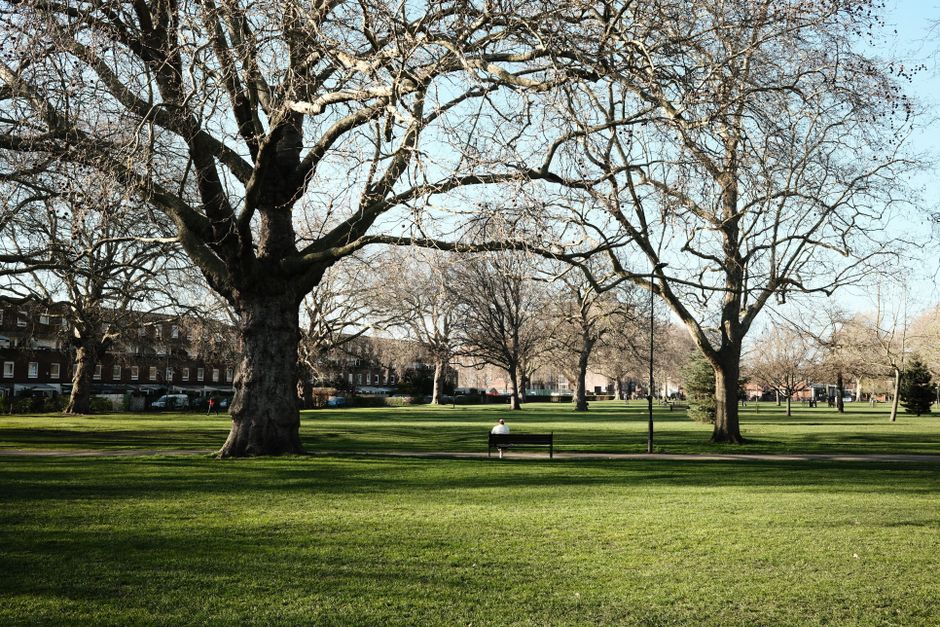
Peckham Rye Gardeners for Shared Estate Green Spaces: A Practical Guide for Residents, Managers and Residents' Groups
Shared gardens look lovely when they are working well. Fresh borders, tidy paths, healthy lawns, clipped hedges, somewhere for children to play without a mess of brambles everywhere. But anyone who has helped manage one knows the reality can be a bit more complicated. One season it is neat and calm; the next, it is overgrown, uneven, and suddenly everybody has an opinion.
That is where Peckham Rye gardeners for shared estate green spaces come in. The right team helps turn a communal outdoor area into something safe, welcoming, and easy to maintain over time. This guide breaks down what that actually means in practice, how shared estate gardening usually works, what to look for in a provider, and how to avoid the usual headaches that come with multi-home green space management.
If you are part of a residents' association, a property management team, or simply one of the people who ends up dealing with the grass and the bins and the "who left the hedge like that?" conversation, you are in the right place.
Why Peckham Rye gardeners for shared estate green spaces Matters
Shared estate gardens are not the same as a private back garden. They carry different expectations, different foot traffic, and different risks. One person may want a wild, wildlife-friendly corner. Another wants clean sightlines, low-allergen planting, and no slippery leaves on the paving. The garden has to serve everyone, which is exactly why it needs a steady hand.
In Peckham Rye and the surrounding part of Southwark, communal green spaces often sit between homes, car parks, walkways, and bin stores. That means maintenance is not just about appearance. It is about access, safety, and making sure the space feels cared for rather than abandoned. Truth be told, a neglected estate garden changes how people feel about the whole property.
A well-managed communal space can also reduce friction. When borders are trimmed regularly, hedges are kept in shape, and the lawn is cut on a sensible schedule, there is less room for complaints. Less "someone should do something" and more "that looks decent, actually."
If you already know the site needs more than a quick tidy, it may help to look at a broader garden maintenance approach rather than one-off fixes. For larger resets, a garden clearance can also be the right first move before ongoing care begins.
How Peckham Rye gardeners for shared estate green spaces Works
Most shared estate gardening follows a simple pattern, although the details vary depending on the size of the site, the level of use, and who makes the decisions. In practice, a good service usually begins with a walkthrough and a conversation about priorities: what must be kept tidy, what can be seasonal, and what needs regular attention.
From there, the work is often split into routine tasks and occasional jobs. Routine tasks might include mowing, edging, weeding, hedge trimming, leaf clearance, pruning, and litter picking around planting areas. More occasional work could include re-shaping shrubs, restoring neglected beds, removing dead growth, or improving drainage and access points.
On a shared estate, timing matters. Cut the grass too infrequently and it looks shaggy and tired. Cut it too aggressively and it can stress the turf, especially in dry spells. A sensible plan balances appearance, plant health, and budget. Not glamorous, but very effective.
Many estates also need a mixed service rather than just "gardening" in the narrow sense. For example, if paths are awkwardly overgrown or entrances feel dim and cramped, a combination of maintenance and thoughtful landscape work may be more useful than another quick tidy. In those cases, services such as landscape gardening or broader landscaping can help reshape the space for long-term usability.
The key thing to remember? Shared spaces work best when the garden team understands that it is not one household's taste that matters, but a shared standard everyone can live with.
Key Benefits and Practical Advantages
The value of professional communal garden care is easy to see once the work is underway. Clean lines, healthy planting, and predictable upkeep create a calmer environment. But the advantages go beyond appearances.
- Better first impressions: visitors, tenants, and residents all notice whether a site feels cared for.
- Safer access: tidy paths, controlled growth, and clear sightlines reduce everyday hazards.
- More usable outdoor space: people are more likely to sit, walk, or let children play in a garden that feels maintained.
- Healthier planting: regular care is usually better for shrubs, hedges, and lawns than sporadic heavy-handed intervention.
- Less resident friction: consistent maintenance reduces disagreement about what "needs doing."
- Predictable planning: estates can budget and schedule more effectively when work is mapped out in advance.
There is also a quieter benefit that gets overlooked. A cared-for green space tends to change behaviour. People litter less. They respect the area a bit more. It is not magic, just human nature being annoyingly predictable.
For estates that want a more structured ongoing arrangement, services overview pages are useful because they help connect day-to-day tasks with longer-term improvements. If trees are becoming a problem, leaning over paths or blocking light, tree lopping and removal may need to be considered carefully and safely, rather than left until the problem becomes urgent.
Who This Is For and When It Makes Sense
This kind of gardening support is not just for large residential blocks. It makes sense anywhere there is shared outdoor space that needs regular care and a consistent standard.
Typical users include:
- Residents' associations
- Property managers
- Housing associations
- Private landlords with communal gardens
- Block management companies
- Freehold co-owners
- Care homes and supported living schemes with outdoor areas
It is especially sensible when the space is used often, when residents expect a tidy finish, or when the garden has become a source of repeated complaints. If the same issue keeps cropping up every month, that is usually the sign you need a managed schedule rather than one-off intervention.
It also makes sense after a change in occupancy. Maybe the last contractor stopped turning up. Maybe the site has been left to grow for a season. Maybe the estate has just decided, quite reasonably, that the green space deserves better. A clean reset can help everyone get back on the same page.
For shared estate spaces, a practical conversation about budget is usually part of the process. If you are comparing options, pricing and quotes can help you frame what is reasonable before work starts. That way, there are fewer surprises later. And fewer awkward emails. Always a win.
Step-by-Step Guidance
If you are trying to organise gardening for a communal estate space, the process becomes much easier when you break it into simple steps.
- Walk the site properly. Note the lawn areas, planting beds, hedges, trees, access paths, bin areas, fences, and any spots where problems keep coming back.
- Identify priorities. Decide what matters most: safety, appearance, biodiversity, resident use, or all four. Not every site needs the same balance.
- Set the standard. Agree what "tidy" actually means. For some estates, that means crisp and formal. For others, it means managed and natural-looking, but not messy.
- Choose the maintenance frequency. Weekly, fortnightly, monthly, or seasonal visits all serve different purposes. A busy estate with grass and hedges will usually need more frequent attention in spring and summer.
- Match the work to the season. Spring often needs clearing, growth control, and planting support. Summer is usually about mowing, watering where necessary, and keeping things neat. Autumn means leaves, pruning, and safety checks. Winter is a good time for structural work and planning.
- Confirm who approves work. One person, a committee, or a managing agent should be able to sign off changes without delay. Otherwise nothing moves, and everyone gets fed up.
- Review and adjust. After a few visits, check whether the schedule is working. Communal spaces change with weather, use, and time. The plan should move too.
A small but useful point: take photos before and after the first visit. It makes progress visible and helps reduce disagreement later. People remember what they saw, not always what was written in an email last month.
Expert Tips for Better Results
Shared gardens are easier to manage when the service plan is designed around the site, not around a generic checklist. A few practical habits make a real difference.
- Keep edges under control early. Once grass and weeds spill over boundaries, the whole place starts to look untidy faster than you would expect.
- Do not let hedges become a seasonal argument. Regular hedge trimming is usually simpler and less disruptive than one dramatic cut after months of neglect.
- Use the right finish for the right area. A lawn near a play area needs a different standard from a planting strip at the back of the block.
- Plan around access. If gardeners can only work when cars are moved or bins are collected, build that into the schedule. Otherwise jobs get half-done.
- Consider sustainability from the start. Composting green waste, reusing suitable organic material, and choosing resilient plants can save time and reduce disposal issues.
- Keep communication simple. Residents do not need technical jargon. They need to know what will happen, when, and why.
One thing we have noticed is that the best communal gardens usually have a quiet, boring kind of consistency. Nothing dramatic. Nothing left to chance. That is the trick, really.
If the estate includes fences, raised areas, or a decked seating zone, it is worth looking at related improvements too. Well-planned decking services can make a shared outdoor area more usable, provided they are integrated thoughtfully rather than bolted on as an afterthought.
Common Mistakes to Avoid
Shared estate spaces run into trouble for fairly predictable reasons. The good news is that most of them are avoidable.
1. Waiting too long between visits
When maintenance slips, recovery gets more expensive. Long grass, thick weeds, and overgrown hedges are all more work to fix than to prevent.
2. Choosing a service that only does quick cosmetic work
A neat finish is nice, but it is not enough on its own. If the roots are choking beds, drains are blocked, or trees are unmanaged, the surface tidy-up will not last.
3. Not agreeing the standard in writing
People often assume everyone has the same idea of "well kept." They do not. One person means clipped and polished; another means healthy and natural. Put the standard into plain language before the first cut is made.
4. Ignoring resident access patterns
If the team keeps arriving at the wrong time, work gets interrupted. That is annoying for everyone, and it usually lowers the quality of the job.
5. Forgetting seasonal change
A plan that works in April can fail badly in August. Growth rates, watering needs, leaf fall, and sunlight all change through the year. Estate gardens are a moving target.
6. Overlooking health and safety
Loose paving, low branches, hidden debris, and slippery surfaces can all matter more than people think. For shared spaces, safety is not an optional extra.
Sometimes the biggest mistake is simply assuming the garden will "sort itself out." It won't. Lovely idea, terrible strategy.
Tools, Resources and Recommendations
The best results usually come from a mix of hands-on skill, simple planning tools, and a sensible maintenance schedule. You do not need a fancy system. You need something that people will actually use.
| Need | Useful approach | Why it helps |
|---|---|---|
| Routine upkeep | Scheduled garden maintenance visits | Keeps the site stable and avoids big seasonal catch-up jobs |
| Overgrown spaces | Initial clearance, then ongoing care | Lets the team reset the garden before maintenance begins |
| Lawns | Regular mowing with edging | Improves appearance and keeps shared areas tidy |
| Hedges and screening | Planned hedge trimming | Maintains structure, access, and boundaries |
| Problem trees | Careful tree assessment and, where needed, removal | Reduces risk from instability, shading, or obstruction |
It also helps to keep a simple estate log. Nothing complex. Just dates, jobs completed, observations, and follow-up actions. Even a short record can make future planning much smoother, especially when different residents or managers change over time.
If your estate is trying to improve its outdoor environment in a wider sense, a mix of maintenance and practical landscape changes may be the right route. That can include better planting structure, tidier borders, improved circulation routes, or small design updates that reduce maintenance pressure later on. Not every fix needs to be dramatic. Often it is the small changes that hold the whole thing together.
Law, Compliance, Standards and Best Practice
Communal estate gardening is not usually the sort of work that demands complicated formalities, but there are still important standards to keep in mind. Shared spaces carry shared responsibility, and that means the contractor should work safely, sensibly, and with clear communication.
In the UK, good practice generally means using trained staff, appropriate equipment, safe working methods, and proper insurance arrangements. For shared sites, it is also wise to think about public access, resident movement, slip hazards, and how waste is handled after work is completed.
You should expect a professional team to be comfortable discussing:
- risk-aware working around residents and visitors
- safe use of machinery in communal areas
- appropriate handling of green waste
- site access and scheduling
- clear scope of work and boundaries of responsibility
- insurance and safety expectations
It is also sensible to ask how a contractor handles weather delays, unexpected hazards, or access restrictions. Shared spaces are full of little complications. A skipped bin collection, a parked car, a wet morning, and suddenly the plan changes. Good operators do not panic; they adapt.
If your site team wants reassurance around safety arrangements, the health and safety policy and insurance and safety information can be useful references when reviewing a provider. For estates that value lower-impact upkeep, recycling and sustainability practices are also worth considering as part of the service model.
One more point worth saying clearly: if major tree work is needed, do not treat it like basic garden tidying. Trees need the right level of care and judgement. Same with communal structures around the garden. The wrong shortcut can create a bigger headache later.
Options, Methods, or Comparison Table
There is more than one way to manage a shared estate green space, and the right choice depends on how the site is used and who is responsible for it. Here is a straightforward comparison.
| Approach | Best for | Pros | Trade-offs |
|---|---|---|---|
| One-off tidy-up | Neglected spaces or pre-sale presentation | Quick visual improvement | Does not prevent the garden from slipping again |
| Regular maintenance plan | Most shared estate gardens | Predictable, cost-aware, easy to manage | Needs ongoing commitment |
| Clearance then maintenance | Overgrown or inherited gardens | Creates a fresh baseline | More work at the start |
| Maintenance plus landscaping | Spaces that feel awkward, dated, or underused | Improves both function and appearance | Requires more planning and agreement |
For most estates, the second option is the practical sweet spot. It is steady, realistic, and much easier to live with. But if the space has been ignored for a while, the first stage may need to be a proper reset. There is no shame in that. Gardens, like most things, sometimes need a restart.
Case Study or Real-World Example
Imagine a small residential block near Peckham Rye with a central green strip, a few shrubs, patchy lawn, and a narrow path between entrances. For months, residents have been complaining that the area looks tired. The grass is uneven, the hedge has spread into the walkway, and leaves keep collecting by the bin store.
A sensible response would not be to chase a perfect show-garden look. That would be overkill. Instead, the estate team might start with a clean-up visit: remove debris, clear the path edges, reduce the hedge back to a safe width, cut and edge the lawn, and rework the beds so they look intentional rather than abandoned. If the site has stubborn overgrowth, a one-time garden clearance may be the first step.
After that, they move to a regular schedule. Not too ambitious, just consistent. The lawn is cut often enough to stay even. The hedge is trimmed before it becomes intrusive. Seasonal leaves are collected before they become slippery. Residents notice the change quite quickly, but more importantly, the space stays manageable. That is the point.
The result is rarely dramatic in the film-score sense. It is calmer than that. Better sightlines. Cleaner entrances. Fewer complaints. A space people actually use again. And yes, that matters more than it sounds like it should.
Practical Checklist
Use this checklist before you appoint gardeners or review an existing service for shared estate green spaces.
- Have you walked the whole site, not just the visible front section?
- Have you agreed what needs weekly, monthly, and seasonal attention?
- Is the standard of finish clear to residents or decision-makers?
- Are access times, gates, parking, and resident movement accounted for?
- Do you know which areas need mowing, hedging, pruning, or clearance?
- Have safety concerns been noted, including slips, loose debris, or hidden obstacles?
- Is there a simple way to review the work after the first few visits?
- Have you thought about sustainability and green waste handling?
- Are any trees, hard surfaces, or structures likely to affect the plan?
- Do you have a clear point of contact for queries or complaints?
If most of those answers are "not yet," that is fine. Better to sort it now than in a rush after the garden has already slipped.
Conclusion
Shared estate gardens can be wonderful spaces, but only if they are managed with consistency and a bit of care. The best Peckham Rye gardeners for shared estate green spaces do more than cut grass and tidy edges. They help create a place that feels safe, lived-in, and quietly well looked after.
For residents and managers, the real win is not just a neat finish. It is knowing the site has a plan. A rhythm. Someone is on it. That calm, regular maintenance is what keeps communal green spaces from becoming a recurring problem and turns them back into something people enjoy passing through every day.
Get a free quote today and see how much you can save.
And if you are still weighing up the right team, take your time, ask the practical questions, and choose the people who seem to understand the site as well as the plants. That usually tells you most of what you need to know.
Frequently Asked Questions
What do Peckham Rye gardeners for shared estate green spaces usually include?
They usually cover routine upkeep such as mowing, hedge trimming, weeding, edging, pruning, leaf clearance, and general tidying. Depending on the site, they may also help with clearance work or longer-term improvements.
How often should a shared estate green space be maintained?
It depends on the size of the garden, how much it is used, and the time of year. Many communal spaces need more frequent attention in spring and summer, then lighter but still regular visits in autumn and winter.
Is a one-off garden tidy-up enough for a communal estate?
Sometimes it helps as a reset, especially if the area has been neglected. But for most shared spaces, one-off work is not enough on its own. Ongoing maintenance is usually what keeps the site under control.
What is the difference between garden clearance and garden maintenance?
Garden clearance deals with overgrowth, debris, and neglected areas. Garden maintenance is the regular, ongoing care that keeps the site tidy after the reset. Many estates need both at different stages.
How do we decide what standard the estate garden should be kept to?
The best approach is to agree a simple, written standard with the residents' group or managing agent. Be clear about whether the space should look formal, relaxed, or low-maintenance but still tidy.
Can shared estate gardens be made more wildlife-friendly without looking messy?
Yes, they can. The trick is to choose the right planting and maintenance approach. You can keep some areas more natural while still trimming edges, managing growth, and keeping paths and entrances neat.
What should we ask before hiring gardeners for a shared estate?
Ask how they handle access, scheduling, waste removal, safety, communication with residents, and seasonal changes. It is also sensible to ask how they would approach a neglected site versus an already tidy one.
Do communal garden services include hedge trimming and tree work?
They often do, but not always as part of the same visit. Hedge trimming is a common maintenance task. Tree work may require a separate discussion if larger pruning or removal is needed.
How can we keep costs under control for estate garden care?
Regular maintenance usually helps control costs because it prevents the garden from getting badly overgrown. It also helps to agree priorities, avoid unnecessary extras, and review the schedule at sensible intervals.
What happens if the estate has safety issues like loose debris or slippery paths?
A responsible gardening team should flag those issues and work carefully around them. In a shared space, safety matters as much as appearance. Sometimes a site needs tidying before the usual maintenance can safely continue.
Can landscaping improve a shared estate garden as well as maintenance?
Yes. If the space is awkward, underused, or poorly laid out, landscaping can make it easier to maintain and more pleasant to use. Small design changes can have a surprisingly big effect over time.
Where should we start if the garden has been neglected for months?
Start with a proper site assessment and a clearance plan. Once the space is back under control, move to a regular maintenance schedule so the same problems do not return straight away.